


Are You Making These Mistakes While Using a Tray for Kitchen?
A kitchen organizer is underrated as part of the daily kitchen setup. A Kitchen Tray is a simple accessory. Nevertheless, how you employ it impacts the overall functionality and appearance of your kitchen. A kitchen tray can help a kitchen appear organized, efficient, and hygienic. These benefits, however, materialize only if the tray is utilized properly.
There are poor uses of trays, however, that people fail to recognise and that can jeopardise the cleanliness, safety, and general harmony of a kitchen. We will discuss the most common of these poor uses of trays and suggest a more appropriate use to help alleviate the issues described.
1. Choosing the Wrong Material
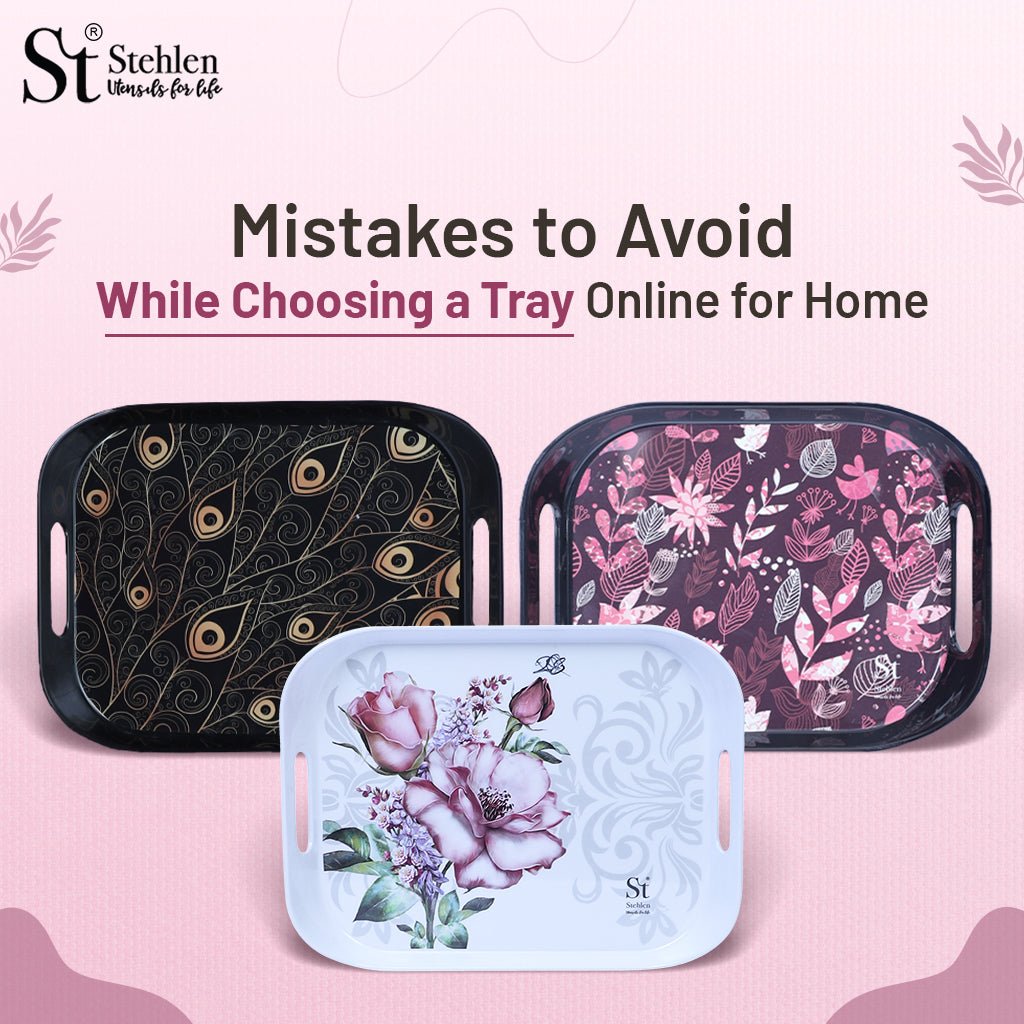
Every tray is not created the same. One of the most common poor uses of a kitchen tray stems from not considering the material. Each material, be it melamine, wood, plastic or stainless steel, has its specific advantages and disadvantages.
- Melamine trays are durable, lightweight, and easy to clean to the point that they are ideal for daily use.
- Wood trays appear more elegant; however, they require more care to prevent water damage.
Your usage habits should dictate what type of kitchen tray you choose. Cordial serving pieces like trays made of melamine are suitable for serving tea or snacks. While organizing spices or bottles, stainless steel trays offer more utility.
2. Overloading the Tray
Having an overloaded organizer tray for the kitchen can seem convenient, but this is counterproductive. An overloaded tray can cause spills, breakage, or even accidents when carrying it. There is an expectation that everything will fit neatly, but that is not always the case.
- Heavy and light items should be kept apart.
- Bottles and jars should not be stacked high.
- Always distribute weight evenly across the tray surface, as this will promote stability.
A balanced tray for the kitchen is not just safer but also easier to clean and move.
3. Ignoring Cleaning and Maintenance
Even the most stylish tray will lose its appeal if not cleaned for extended periods. Dried food remnants, grease, or moisture can stagnate and produce an odour, and even worse, attract pests.
- Daily tray maintenance should involve light soapy water and a soft cloth, as this will help inhibit bacterial growth.
- Avoid soaking wooden trays in water.
- Heavy duty abrasive cleaners should be kept away from melamine to prevent damage.
A clean tray for the kitchen enhances hygiene and keeps your countertop fresh and inviting.
4. Utilizing One Tray for Every Function
Each kitchen tray must serve a distinct purpose. Employing a single tray for serving, storing, and even décor can lead to mix-ups and possible contamination.
- Designate a separate tray exclusively for beverage service.
- Set aside another one for the storage of spices, sauces, and other bottles.
- A decorative tray can be set aside for fruits or a dining table arrangement.
Designating trays for particular uses will offer your kitchen organization, order, and increased functionality.
5. Neglecting Design and Aesthetics
Your tray for the kitchen isn’t just functional - it’s also a visual accessory. Many people ignore how it fits into the kitchen décor. A mismatched tray can disrupt the look of a modern kitchen.
- Choose colors that complement your countertop or cabinets.
- Go for sleek, minimal designs in contemporary spaces.
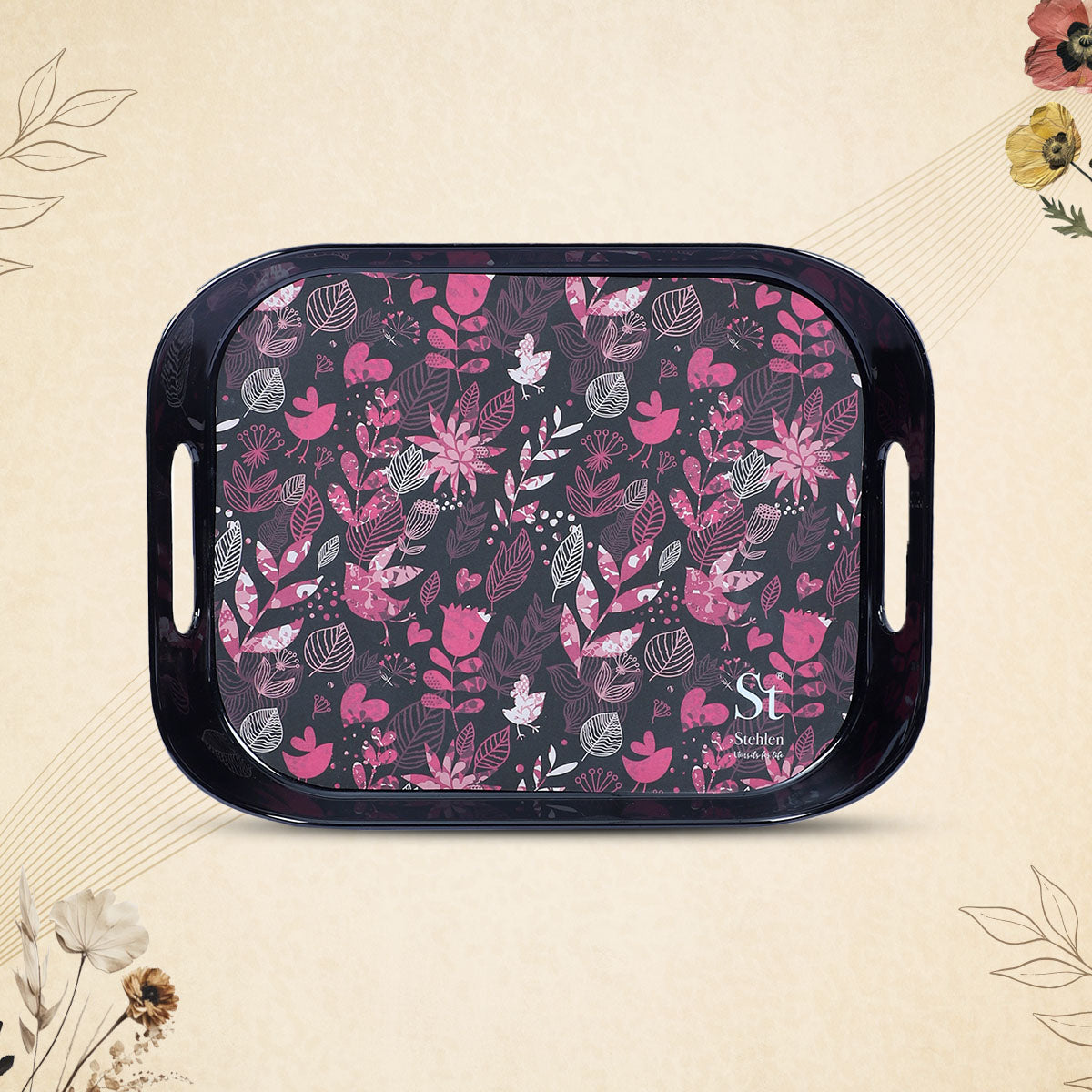
- Textured or printed trays add personality to traditional kitchens.
In a well-designed kitchen, even the tray for the kitchen should reflect your style and attention to detail.
6. Forgetting About Storage
When not in use, your tray for the kitchen should have a designated spot. Leaving it lying around the counter can make the space look cluttered.
- Use vertical storage racks or wall hooks.
- Keep trays nested together if they’re of varying sizes.
- Make sure they’re easy to reach but not in the way.
Good storage keeps your trays clean, saves counter space, and maintains order in your kitchen routine.
7. Selecting Trays That Are Too Small or Too Large
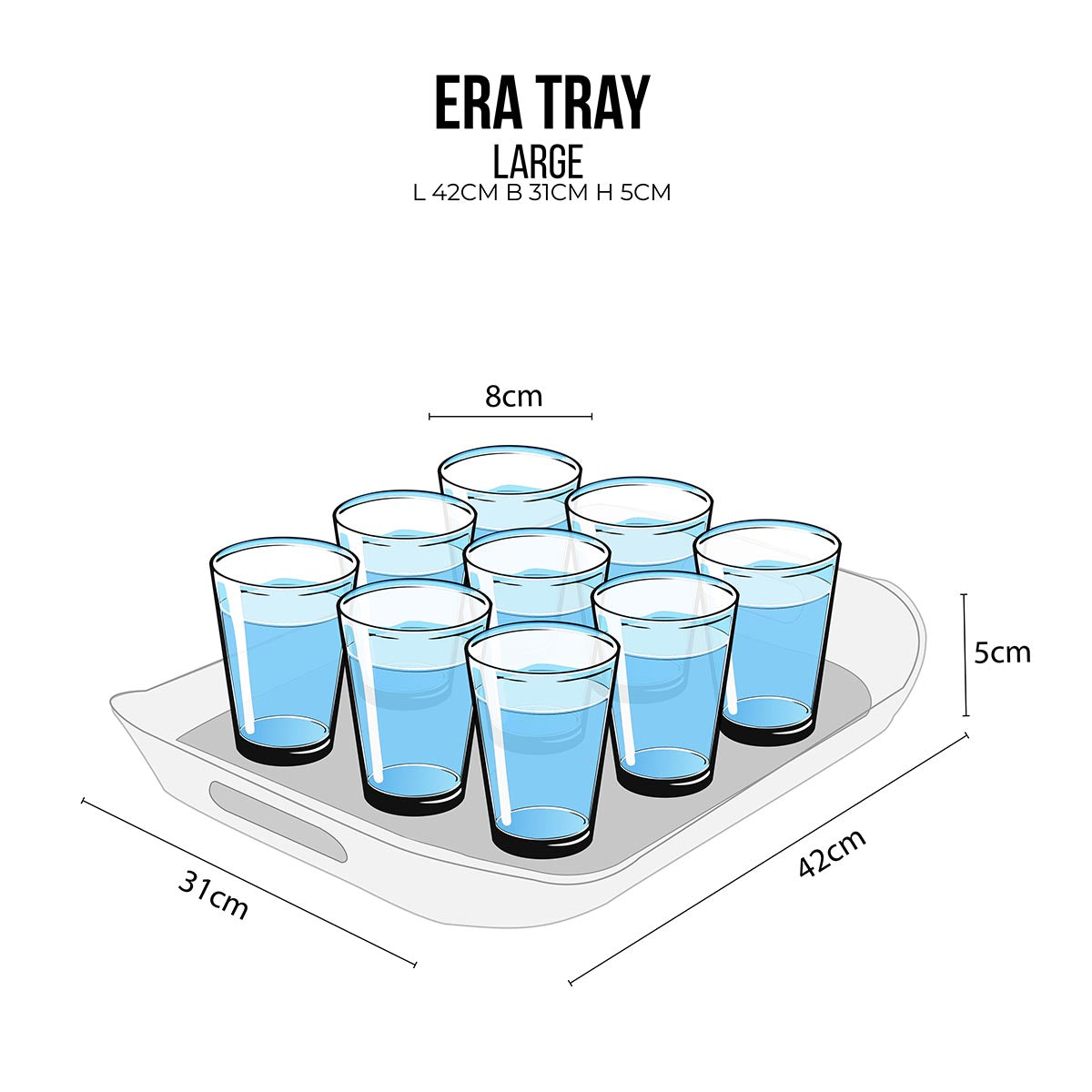
Choosing the right size tray for the kitchen is crucial. If the tray is too small, there is a struggle when trying to fit the essentials, and if the tray is too large, it is cumbersome and will be difficult to work with.
- For your daily coffee or tea service, a medium-sized tray is ideal.
- For serving meals, go for large, sturdy trays.
- When organising drawers or countertops, narrow rectangular trays are best.
- When your tray for the kitchen matches its purpose, it increases the ease with which you tackle your work.
8. Not Updating or Replacing Old Trays
An old, worn-out tray for the kitchen can detract from the overall table presentation. Worn-out trays with cracks, fading, or chips can spoil an otherwise good presentation and can also attract germs. Old, worn-out trays can spoil an otherwise good presentation.
To refresh the look of your kitchen, upgrade to modern melamine trays, which beautifully combine design and function. A new tray for the kitchen can instantly elevate your dining and serving experience.
9. Forgetting to Match Function with Form
Choosing a tray for kitchen purposes based only on aesthetics is a common mistake. A tray with slippery surfaces, shallow edges, or weak handles can accidentally cause a mess when serving meals and it can also be very dangerous.
For the best user experience, choose:
- A non-slip base,
- Raised edges,
- And easy-to-grip handles.
A kitchen tray strikes a balance between form and function, which can be visually appealing while still meeting the durability requirements of daily use.
10. Not Using Trays Creatively
Kitchen trays can hold much more than just cups and plates. Many homeowners tend to stick to just one use, and, as a result, lose out on the versatility their trays offer.
Trays can be used to:
- Organise condiments on a dining table,
- Arrange candles and flower vases,
- And store daily essentials such as keys or napkins on the counter.
A creatively employed kitchen adapts to the user’s needs and imposes order on confusing elements, all while serving an aesthetic function.
READ ALSO: How to Choose the Perfect Serving Tray for Every Occasion
Conclusion
While seemingly trivial, a kitchen tray can assist in maintaining order, hygiene, and the visual harmony of a kitchen. A few simple mistakes, such as forgetting to clean and choosing the wrong size and the wrong material, can make a kitchen less adjustable and refined.
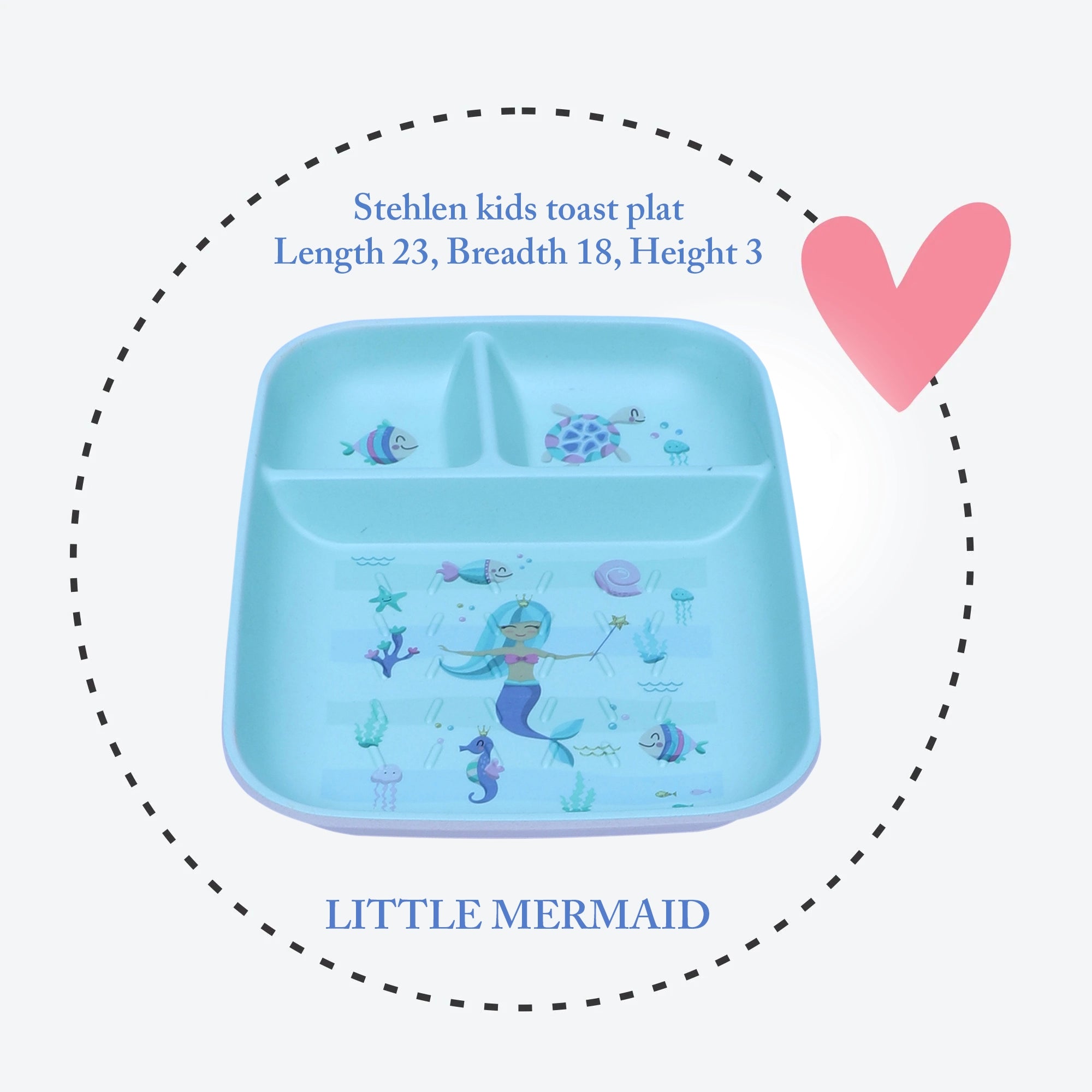
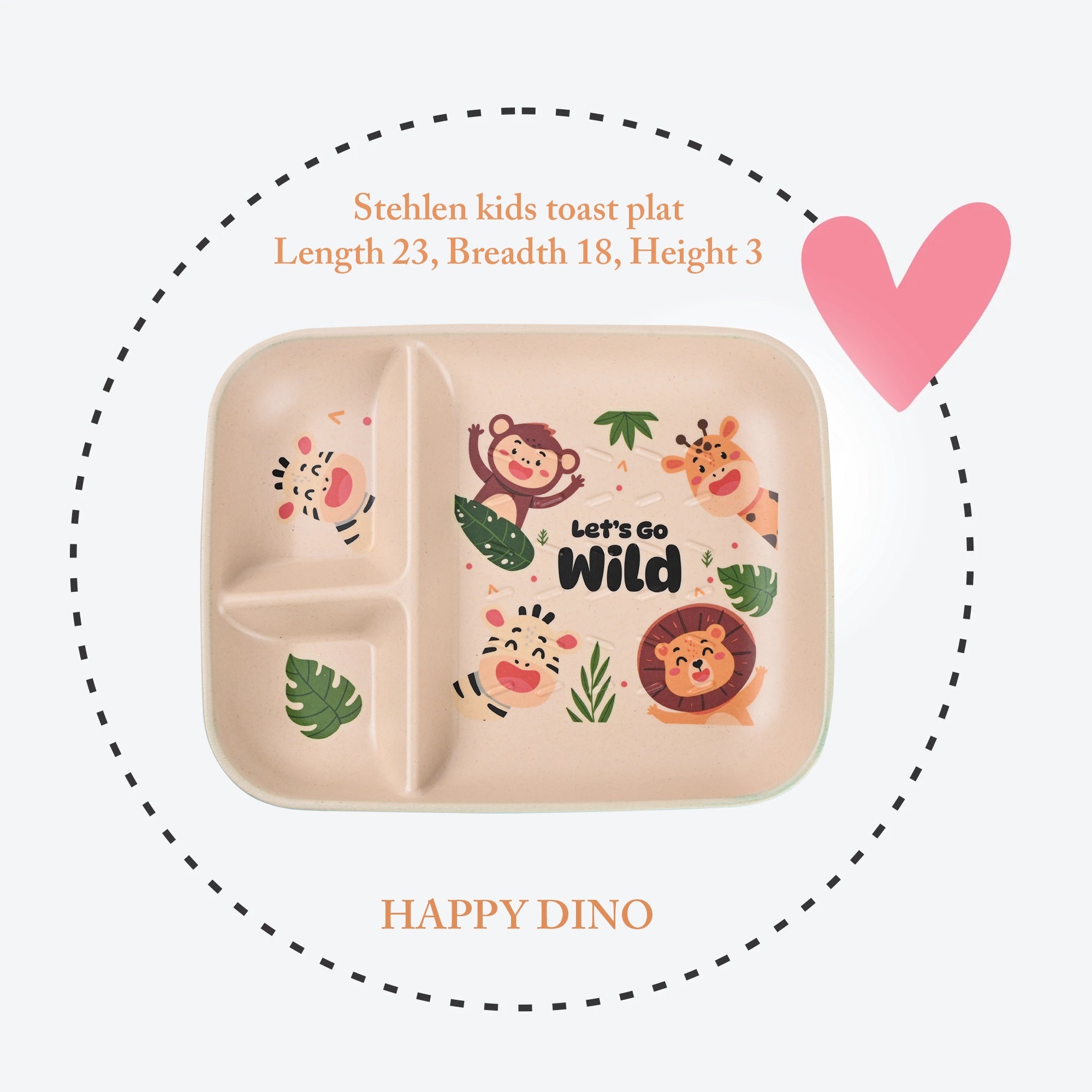
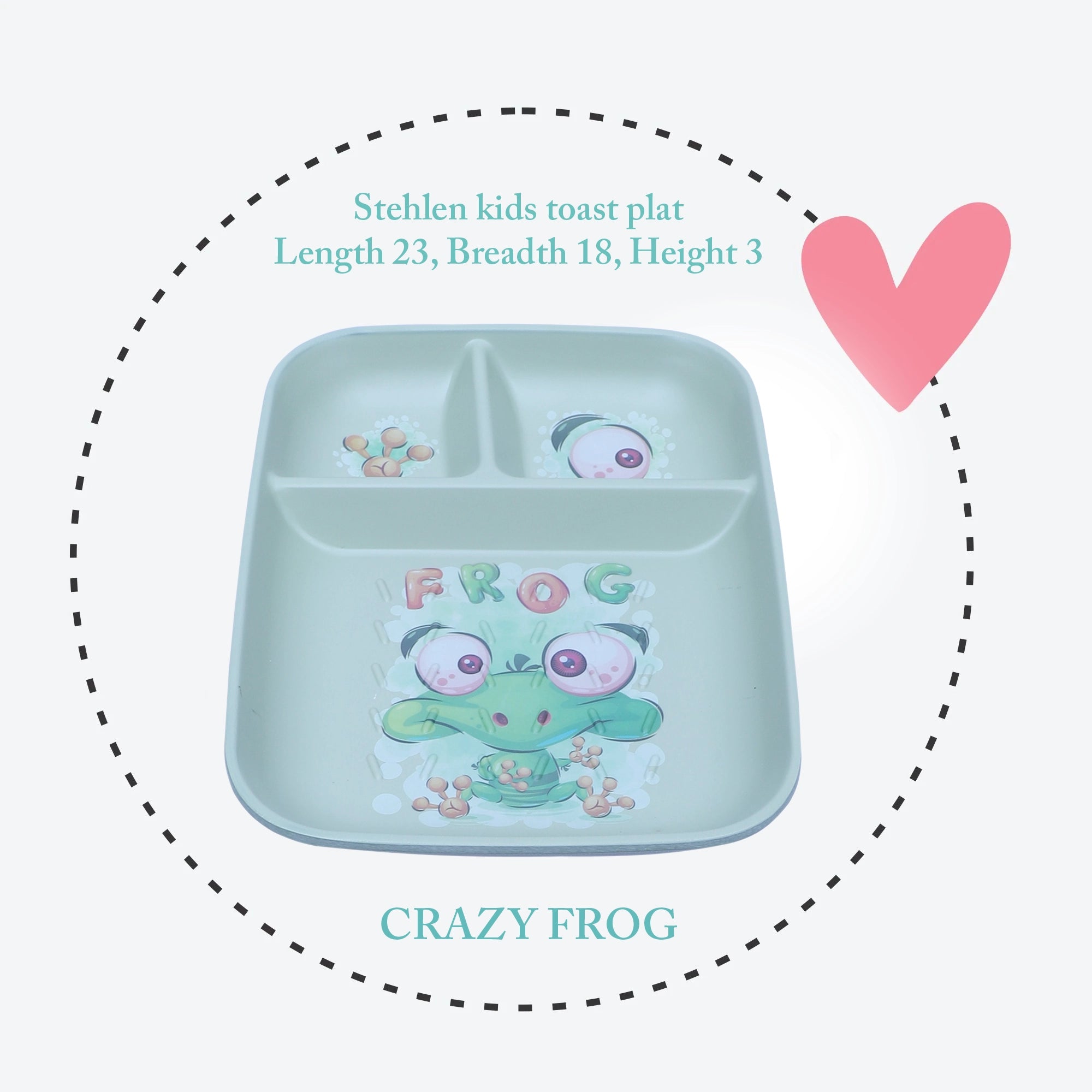
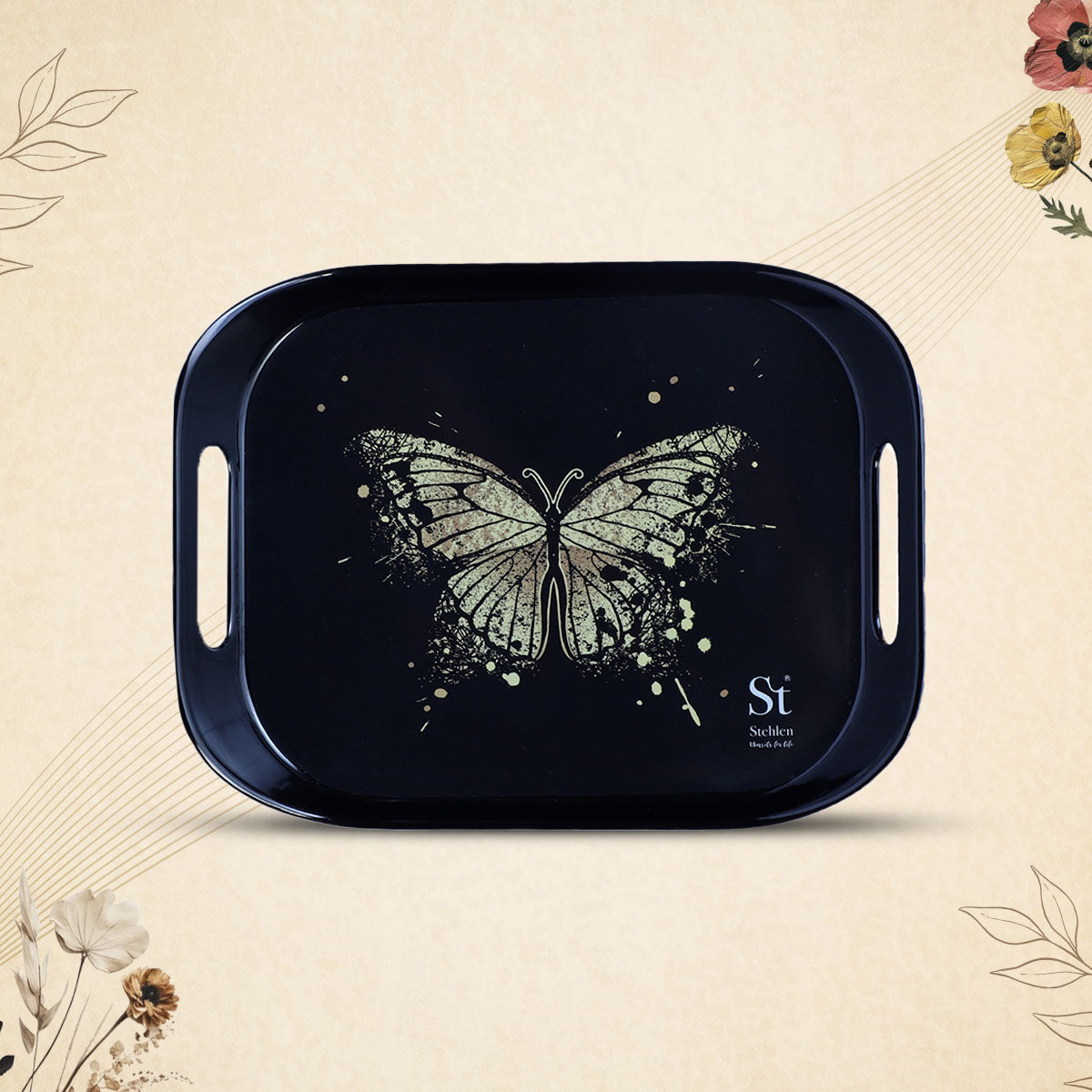
Stehlen provides excellent quality melamine trays that blend function, aesthetics, and design to serve the modern Indian kitchen.
A tray that is designed to be functional and beautiful will always make the kitchen serving, storing, and decorative routines more pleasing.
FAQ's
1. Which material is best for a tray for the kitchen?
The best material for a kitchen tray is melamine since it is lightweight, durable, stain-resistant, easy to clean, and organizes and serves food.
2. How do I keep my tray for kitchen tray looking new?
Cleaning the tray after every use, avoiding harsh scrubbers, and storing it in a dry place will keep it looking new. Thus, regular care will keep the kitchen tray looking new and ensure it lasts for a long time.
3. Are trays suitable for accentuating the kitchen?
Of course. A kitchen decorative tray can elevate the look of your countertop or dining table arrangement. It can be used in conjunction with candles, vases, or bowls of fruit to create an inviting atmosphere.
4. When should I change my kitchen trays?
When your kitchen tray is damaged, stained, or discolored, you should change it. When you change to newer designs like Stehlen’s premium melamine trays, you help maintain a more modern and updated aesthetic in your kitchen.
Related post
RECENT POSTS